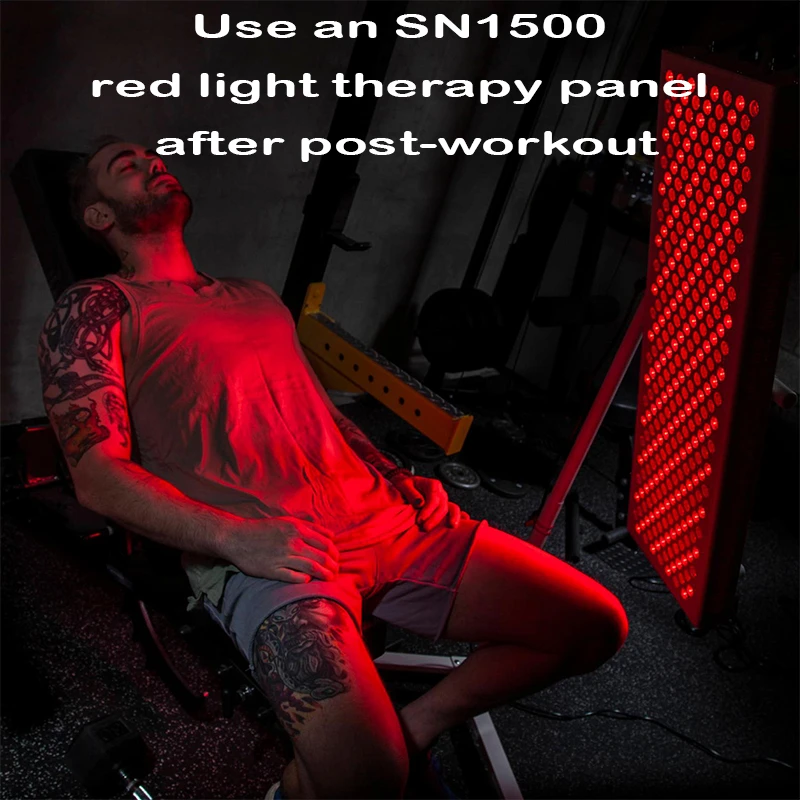
Red light therapy is gaining popularity among fitness enthusiasts. This non-invasive treatment utilizes low-level LED light wavelengths of red light and is recognized for its potential to promote muscle recovery and reduce inflammation. Many people are curious about whether to use red light therapy before or after a workout. While both options have their benefits, applying them after a workout is particularly effective for recovery. This post-workout application helps increase circulation, delivering more oxygen and nutrients to the muscles.
Red light therapy can effectively reduce muscle soreness and stiffness, leading to quicker recovery times. It also stimulates the production of ATP, which is crucial for cellular energy. Improved sleep quality, essential for muscle recovery and overall health, is another benefit of this therapy. Regular use of red light therapy can enhance athletic performance by shortening recovery times. It is a natural, drug-free method to boost recovery and performance. As a result, many gyms now offer red light therapy as part of their recovery services. We recommend using the SN1500 red light therapy panel and the SN600 red light therapy full-body panel.
What Is Red Light Therapy?
Red light therapy is a new therapeutic technique that uses specific wavelengths of light, such as red light at 630 nm and 660 nm, as well as near-infrared light at 810 nm and 850 nm. These wavelengths penetrate the skin and reach the muscles and tissues. The therapy is painless and non-invasive. It involves sitting or standing near a red light device, allowing for exposure to the light. This exposure promotes cellular activity by stimulating ATP (adenosine triphosphate) production, which increases energy levels within the cells.
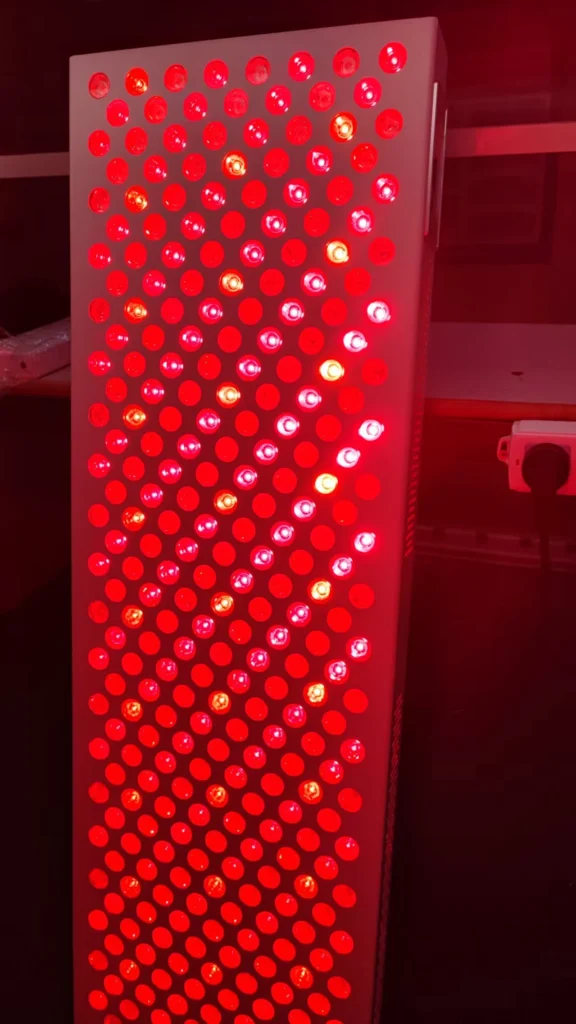
SNPRO1500 red light therapy panel
3 Key Characteristics:
- Uses low-level red wavelengths.
- Non-invasive and painless.
- Stimulates cellular energy production.
Red light therapy can be done at home with personal devices. Alternatively, it is widely available in gyms and wellness centers. The therapy is valued for its versatility and safety. It’s a sustainable way to enhance both recovery and performance post-workout.
How Red Light Therapy Works for Muscle Recovery
Red light therapy promotes muscle recovery by enhancing cellular processes. It increases the production of ATP, which serves as the energy source for cells. This boost in energy helps repair damaged tissues. When used after a workout, red light therapy can also reduce inflammation, a common cause of muscle pain and stiffness. By alleviating inflammation, this therapy accelerates the recovery process. Additionally, red light therapy improves blood circulation throughout the body. Enhanced circulation delivers more nutrients and oxygen to the muscles, resulting in faster healing and reduced muscle fatigue.
3 Benefits for Muscle Recovery:
- Increases ATP production.
- Reduces inflammation.
- Improves circulation and nutrient delivery.
Consistent use of red light therapy can significantly reduce recovery times. Athletes and fitness enthusiasts utilize it to optimize their performance.
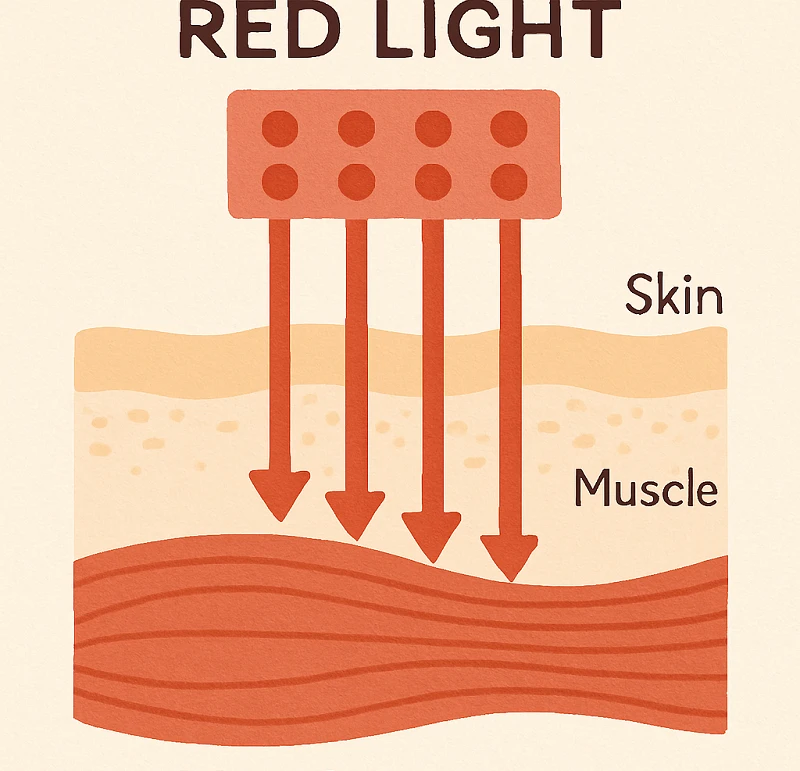
Diagram showing how red light penetrates skin to aid muscle recovery
Red Light Therapy Before or After Workout: What’s Best?
When deciding when to use red light therapy, it’s important to consider your individual goals. Applying it both before and after workouts offers distinct benefits. Using red light therapy before exercise can help prepare the muscles for activity. Pre-workout red light therapy may reduce the risk of injury by enhancing muscle flexibility and readiness, making warm-ups more effective and efficient.
Conversely, using the therapy after workouts is particularly beneficial for recovery. It helps alleviate muscle soreness and promotes faster healing. Many people find that using red light therapy post-workout provides optimal long-term recovery benefits.
Considerations for Timing:
- Pre-workout benefits: Preparation and injury prevention.
- Post-workout benefits: Recovery and soreness relief.
- Evaluate personal fitness goals and recovery needs.
Deciding between before and after depends on individual preferences and routines. Both timing options offer impactful advantages for fitness enthusiasts.
4 Key Benefits of Red Light Therapy After a Workout
Red light therapy is an effective tool for post-workout recovery, offering numerous benefits that can enhance your fitness goals. After intense exercise, your muscles require restoration and healing. One of the primary advantages of red light therapy is its ability to reduce muscle soreness. It helps muscles recover more quickly, minimizing discomfort and stiffness and speeding up the recovery process.
Additionally, red light therapy promotes better blood circulation, which aids in the delivery of nutrients and oxygen to the muscles. This improved circulation contributes to faster muscle repair and growth, leading to healthier muscles overall. Moreover, red light therapy can enhance sleep quality, which is essential for effective recovery and overall well-being. Better sleep boosts the body’s ability to heal.
Regular use of red light therapy can also enhance athletic performance. Reducing recovery time allows for more frequent training sessions, helping athletes reach their fitness goals more quickly. For gym-goers, incorporating red light therapy into their routine can optimize workout results. It complements other recovery practices, and users often notice improved flexibility and a greater range of motion.
3 Benefits of post-workout red light therapy include:
- Reduced muscle soreness and stiffness
- Enhanced circulation and nutrient delivery
- Improved muscle recovery and performance
Users appreciate the therapy for its multifaceted advantages:
- Boosts energy levels
- Supports faster recovery
- Enhances workout effectiveness
Reduces Muscle Soreness and Inflammation
Red light therapy is highly effective for easing muscle soreness. After an intense workout, muscles can often feel tight and painful. This non-invasive treatment effectively alleviates discomfort. By reducing inflammation, red light therapy promotes quicker recovery. It soothes the affected areas, minimizing pain and swelling, and regular use can help prevent prolonged muscle soreness. Reducing inflammation is beneficial for maintaining a consistent workout routine. With less pain, individuals can engage in more regular training sessions, which ultimately supports their long-term fitness goals.
Speeds Up Muscle Recovery and Healing
Red light therapy is essential for rapid muscle healing. It stimulates cellular processes that are critical for repair, allowing cells to function more efficiently and enhancing the body’s natural recovery abilities. This therapy increases ATP production, which is vital for generating energy. With more energy available, muscles can rebuild quickly, resulting in faster recovery and improved performance for athletes. Enhanced recovery leads to less downtime between workouts, helping fitness enthusiasts maintain their training momentum. Ultimately, this enables individuals to achieve their fitness goals more quickly.
Enhances Blood Circulation and Oxygen Delivery
Efficient blood circulation is essential for maintaining muscle health. Red light therapy enhances this circulation, which in turn promotes better oxygen and nutrient flow to the muscles. This is crucial for muscle vitality and recovery. After exercise, delivering oxygen to the muscles is vital for repair and growth, leading to quicker recovery. Red light therapy effectively optimizes this process. Additionally, improved circulation helps remove toxins from the muscles. These combined effects contribute to stronger and healthier muscles, providing valuable support for fitness enthusiasts.
Improves Sleep and Overall Well-Being
Quality sleep is essential for fitness and recovery. Red light therapy improves sleep patterns, which contributes to better recovery phases. Restful sleep also supports muscle healing and growth. Enhanced sleep quality benefits overall well-being by improving mood and energy levels, which are vital for daily activities. Many users report feeling more rejuvenated and less fatigued. In addition to its physical benefits, this therapy promotes mental wellness. Reducing stress and anxiety encourages a more balanced lifestyle. Ultimately, it fosters a holistic approach to health and fitness.
3 Red Light Therapy Gym Benefits: Why Gyms Are Adding It
Gyms are increasingly incorporating red light therapy. It offers a competitive edge in enhancing member recovery and experience. The therapy’s science-backed benefits make it a valuable addition. Red light therapy caters to diverse fitness needs. Members find it beneficial for quicker muscle recovery and improved performance. Gyms also highlight their role in reducing the risk of injury.
This therapy boosts a gym’s appeal with its array of advantages:
- Enhances member satisfaction and results
- Promotes holistic wellness approaches
- Increases the allure of gym membership offerings
As more gyms adopt modern recovery solutions, red light therapy has become a key player. It enhances member retention and attracts new clientele, solidifying its status in fitness centers.
How to Use Red Light Therapy After Your Workout
Incorporating red light therapy after your workout is simple. Typically, sessions last 10 to 20 minutes. It depends on your goals and equipment. Position yourself so the red light covers the targeted area. Maintain a reasonable distance, usually a few inches from the light source. This ensures optimal effectiveness.
Here’s a basic guide to get you started:
- Clean and dry your skin before starting
- Adjust the light intensity as recommended
- Stay still and relax during the session
Consistency is crucial for getting results. Use red light therapy two to three times weekly post-exercise. You can tailor frequency based on personal needs. Red light therapy is flexible and easy to integrate. Over time, it contributes significantly to recovery and performance enhancement.
Safety, Side Effects, and Who Should Avoid Red Light Therapy
Red light therapy is generally safe for most people. It’s a non-invasive option with minimal side effects. However, certain individuals should be cautious or consult a doctor first.
Here are some considerations:
- Avoid if you have a history of light sensitivity
- Consult a doctor if pregnant
- Be cautious with existing medical devices
Always follow usage guidelines to reduce the risk of any adverse effects.
5 Tips for Maximizing Results with Red Light Therapy
To maximize the benefits of red light therapy, consistency and correct usage are essential. Seamlessly incorporating it into your routine can enhance its advantages.
Here are some tips:
- Use therapy 3-5 times per week
- Follow the recommended duration for each session
- Pair with other recovery practices like stretching
- Stay hydrated for optimal results
- Ensure light intensity suits your needs
Consistency and following expert guidelines will help maximize the therapy’s potential.
FAQ About Red Light Therapy and Workouts
Curious about red light therapy and workouts? Here are answers to some common questions.
How often should you use red light therapy?
For optimal results, use it 3-5 times weekly. Consistent use enhances its benefits.
Can anyone use red light therapy post-workout?
Most people can, but consult a doctor if pregnant or if you have skin conditions.
How long should a session last?
Sessions typically last 10-20 minutes. Check device instructions for specific guidance. These answers provide a quick overview. Always follow professional advice for safety and efficacy.
Conclusion: Red Light Therapy is Worth Adding to Your Post-Workout Routine
Red light therapy provides several benefits for post-exercise recovery. Its effectiveness in reducing soreness and enhancing recovery makes it a valuable addition to any fitness routine. For individuals serious about improving their recovery and performance, red light therapy is worth considering. It aligns well with modern fitness practices and offers a straightforward way to enhance overall well-being. Always take personal needs into account and consult with professionals if you have any doubts.