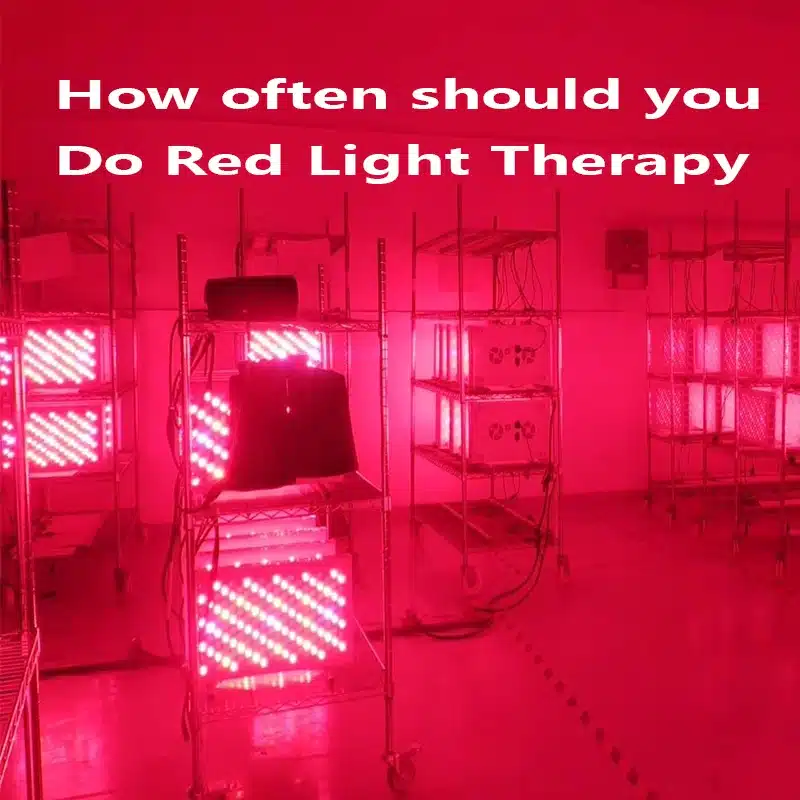
Red light therapy is gaining popularity. It’s a non-invasive treatment that uses low-level wavelengths of light, such as 630nm and 660nm red light, 810nm and 850nm near-infrared light. Many consumers can purchase red light therapy devices online, and at home use without making an appointment at a clinic or hospital.
But how often should you do red light therapy? How long to do red light therapy? These are a common question among users and those interested in red light therapy. It’s not easy to answer this question, the answer isn’t straightforward, as there are many different types of red light devices on the market today, It depends on individual goals, the specific device used, and even the intensity of the light source.
This complete guide aims to answer the questions on this topic. We’ll explore the optimal frequency and duration of red light therapy sessions. We’ll also address users’ common concerns. Can you do red light therapy every day? How long to do red light therapy? How long does it take to work?
Understanding Red Light Therapy, What is it
Red light therapy is becoming a staple in our wellness routines, especially in areas with bad weather and not enough sun exposure. But what exactly is it? Put simply, red light therapy involves using specified low-level red wavelengths of LED light. These lights can penetrate the skin to promote healing and rejuvenation.
The treatment is non-invasive. It’s typically used for skin health, reducing inflammation, and accelerating recovery. Many claim benefits for pain relief and improved circulation too. The process is simple. When the light is applied to the body, it stimulates cellular activity. This can enhance collagen production, which is crucial for maintaining youthful skin. The light is also believed to help cells generate energy(ATP) more efficiently.
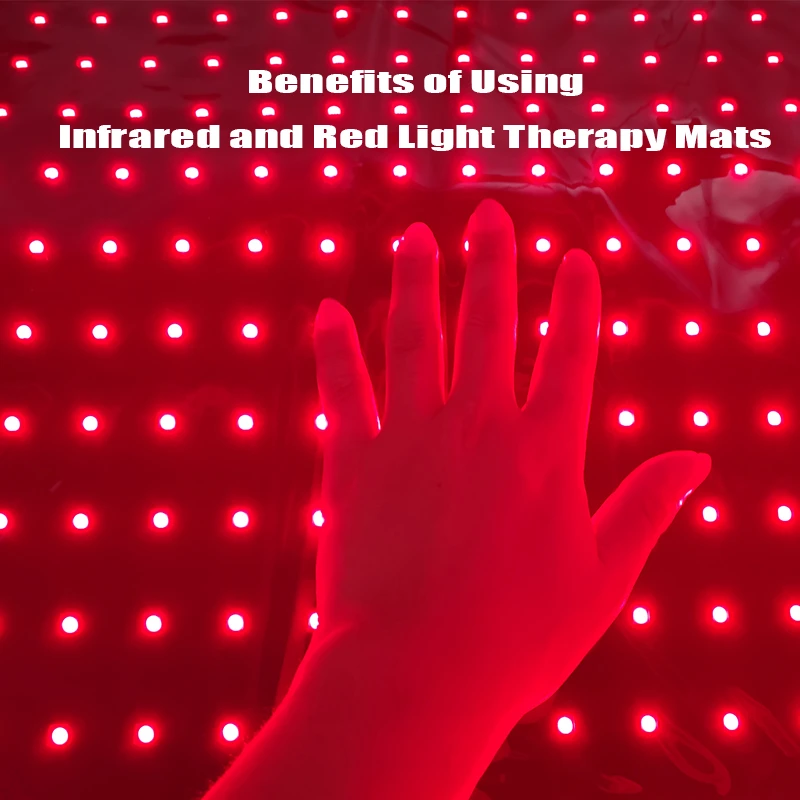
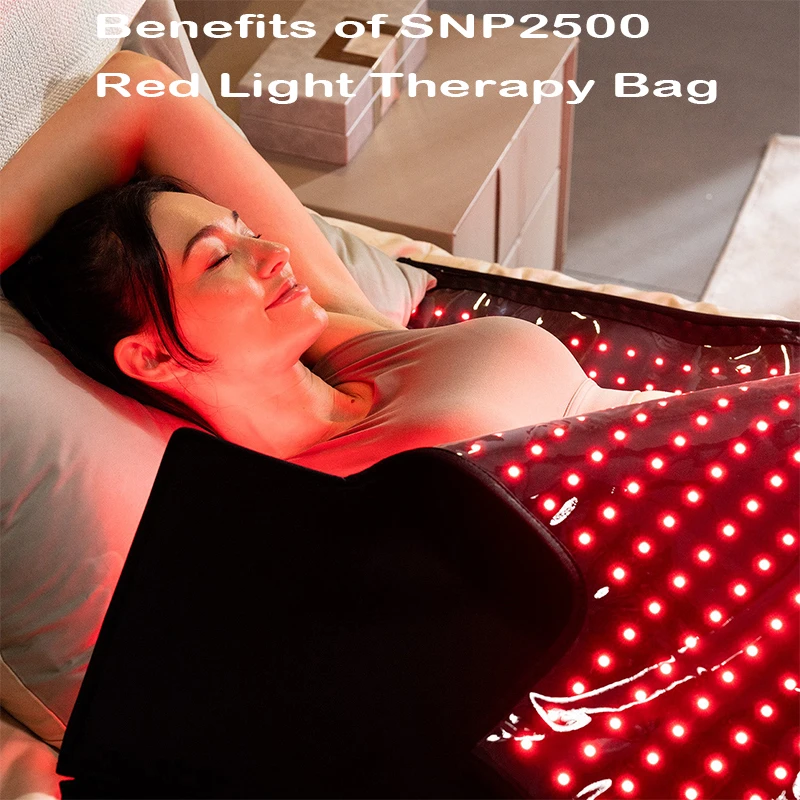
Different devices can be used for red light therapy. Some devices are for face use, like the SNM4 Red Light Therapy Mask and SNW1 Red Light Therapy Wand, Some devices are for full body use, like the SN1200 Red Light Therapy Mat and SN2500 Red Light Therapy Sleeping Bag, while others are larger panels found in professional settings, like the SN1500 Red Light Therapy Panel. Understanding your personal needs and goals is key to choosing the right setup.

red light therapy blanket benefits
The Science Behind Red Light Therapy
The underlying science of red light therapy is quite fascinating. Red Light therapy works by emitting 630nm and 660nm red light or 850nm near-infrared light. These light wavelengths penetrate the skin without causing harm.
They reach the cells where they are most needed. Once absorbed, the light stimulates mitochondria. The mitochondria are the powerhouses of our cells. This activation boosts energy production in cells, often measured by ATP or adenosine triphosphate. Increased ATP levels enhance cellular function, leading to various health benefits. For light therapy results, tanning has proved it.
Additionally, red light therapy can reduce oxidative stress. This is important in improving cell health and function. By reducing oxidative stress, the therapy supports the body’s natural healing processes. The best part? For users of full-body red light panels or mats, it is suitable for whole-body rehabilitation, and it comes with timing, allowing you to continue your daily routine uninterrupted.
Determining the Best Frequency for Red Light Therapy
Finding the optimal frequency for red light therapy can vary. Your goals play a significant role. Skin health, pain relief, and other therapeutic benefits can affect the recommended frequency. Pain relief requires frequent and prolonged treatments, e.g. 30 minutes, three times a day. Skin health requires infrequent and short treatments, e.g. 15 minutes, once a day.
Most experts recommend a frequency of 3-5 times per week. This schedule provides ample exposure without overloading the skin. This approach allows your body to reap benefits while avoiding overuse. For those considering daily sessions, caution is key. Some conditions might benefit from daily use, but it’s essential to be mindful. Overexposure can lead to reduced efficacy or potential irritation. If you feel uncomfortable, itchy or your condition worsens during a red light treatment, stop the treatment.
Here’s a quick list to help you determine the best frequency:
- 3-5 times per week: Ideal for general use and most conditions.
- 15-30 minutes per time: At this point, your skin will feel like it’s heating up, and stop when it’s too hot.
- Therapeutic distance: When getting the light spot to focus on your skin is the best distance, imagine you focusing on the sun’s rays with a magnifying glass!
- Daily sessions: Consider targeted treatments, but monitor closely for any adverse reactions.
- Consultation: Seek professional advice to personalize your regimen.
It’s crucial to keep track of your progress. Documenting your sessions and results can help refine your frequency. Always adhere to your device’s guidelines for the best outcomes.
Can You Do Red Light Therapy EveryDay?
Red light therapy offers many benefits, but daily use is a common question. It’s important to consider your specific goals and overall skin health before deciding on daily sessions. Daily red light therapy can be beneficial for certain acute conditions. For example, some skin problems or injuries may show rapid improvement with consistent daily use. However, it’s important to monitor any signs of overexposure, such as redness or irritation.
While daily sessions may work for some, others may benefit from a more measured approach. It’s important to listen to your body’s signals. Combining red light therapy with other treatments can improve results without requiring daily exposure. For those new to red light therapy, it is advisable to start with a few sessions a week. This will allow your body to adjust to the treatment while you monitor any changes or reactions. As you become more familiar with how your skin responds, you can gradually increase the frequency if you wish.
It’s also beneficial to combine red light therapy with other healthy practices such as proper hydration, a balanced diet, and regular exercise to improve overall results. By taking a measured approach, you can effectively incorporate red light therapy into your wellness routine without overloading your skin or body.
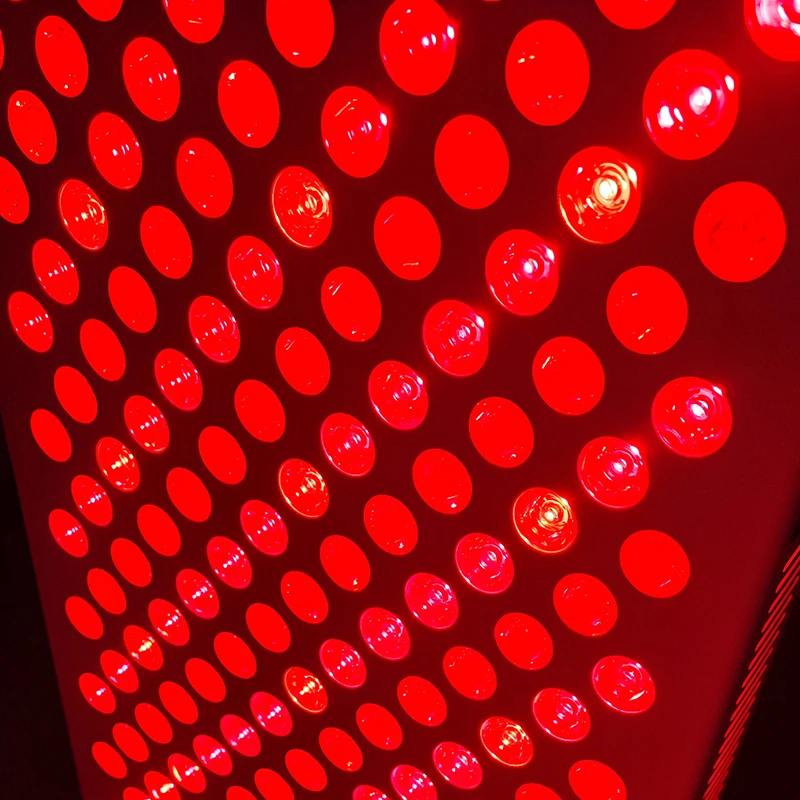
660nm 850nm red light therapy panel
How Long to Do Red Light Therapy Sessions
The duration of a red light therapy session is crucial to achieving optimal results. Typically, a session lasts between 10 and 20 minutes. This allows the light to penetrate the skin sufficiently to stimulate the desired responses without overexposing the skin.
Shorter sessions may not provide enough exposure to see significant benefits. Conversely, longer sessions could lead to diminished results or potential irritation. Consistency in session length can enhance the benefits and promote better results.
It’s important to follow the guidelines provided with your specific therapy device. Different devices can vary in intensity and recommended duration. By adhering to the recommended session lengths, you’ll maximize therapeutic effects while ensuring safe and effective treatment. Adjustments to duration should take into account personal responses and specific needs, always aiming for a tailored and safe approach.
How Long Does Red Light Therapy Take to Work?
The effectiveness of red light therapy varies from person to person. Some users notice improvements in a few weeks, while others may require more time. This difference often depends on the specific condition being treated and individual biological factors.
The key to success with red light therapy lies in consistent use. Regular sessions, usually several times a week, are generally necessary to achieve noticeable results. Progress may also depend on the intensity of the device and the targeted area of treatment.
Patience is essential as red light therapy is not a quick fix. It works best when incorporated into a regular health or skincare routine. Keeping track of results through photos or a diary can help assess progress over time. For best results, combine red light therapy with other healthy lifestyle choices.
Red Light Therapy at Home vs. Professional Settings
Red light therapy can be used either at home or in a professional setting, and both options offer unique benefits. Home devices make regular treatments more convenient and accessible for many users. This allows individuals to fit therapy into their daily routine without the need for appointments or travel.
Professional treatments often use more advanced equipment that can deliver higher light intensities. They also offer personalized guidance from trained technicians who can optimize the treatment process. This can be particularly beneficial for those new to red light therapy or with specific concerns.
When choosing between home and professional therapy, factors such as cost, time, and convenience should be considered. For safe use, home devices have lower light intensities than hospital devices, allowing us to use them at home more often and for longer periods than in the doctor’s office. Below are some of the advantages of each:
- Home Therapy: Affordable, convenient, and private.
- Professional Therapy: Expert guidance, advanced technology, and potentially faster results.
Deciding which setting suits you best depends on your goals, budget, and comfort level with using the therapy independently.

red light therapy blanket at home
Safety and Side Effects of Red Light Therapy
Red light therapy is generally considered to be safe with a low risk of side effects. It’s a non-invasive treatment that doesn’t use harmful UV rays, which significantly reduces potential risks.
However, overuse can cause temporary redness or skin irritation in some cases. It’s important to follow device guidelines and not exceed recommended usage times. To ensure safety, it is advisable to consult a healthcare professional before starting treatment, especially for those with specific medical conditions or sensitivities.
Tips on How to Use Red Light Therapy Effectively
To maximize the benefits of red light therapy, consistency is key. Regular sessions can lead to noticeable results over time. Whether you are using this therapy for skin health or pain relief, following a routine is essential.
Begin with shorter sessions, allowing your body to adapt to the treatment. Gradually increase the session length as you become more comfortable. This approach minimizes the risk of overexposure.
Here are some practical tips to optimize your red light therapy experience:
- Follow the manufacturer’s instructions for device use.
- Maintain a clean skin surface, free of lotions, before sessions.
- Keep a record of your sessions and any changes noticed.
- Consider using protective eyewear to shield your eyes.
- Pair therapy sessions with a healthy lifestyle for enhanced results.
Incorporating these tips can improve your outcomes. Documenting progress helps you adjust the frequency and duration to best suit your needs.
Frequently Asked Questions (FAQs)
Red light therapy often raises questions. Here, we address some common queries to help clarify any doubts.
Common FAQs:
- Can you do red light therapy every day? Yes, it can be done daily for some conditions, but moderation is key to avoid overexposure.
- Does red light therapy tan you? No, it does not tan the skin as it does not involve UV rays.
- How long does it take for results to show? Results vary, but some users notice changes within weeks, while others may take longer.
We recommend consulting with a healthcare professional before starting therapy. This ensures a tailored approach, especially for those with underlying medical conditions. Moreover, understanding the specifics of your red light therapy device can prevent misuse and maximize effectiveness. Through these insights, users can harness red light therapy’s full potential with confidence and safety.
Final Thoughts
As research continues to evolve, staying updated with the latest findings will be key to maximizing benefits. While red light therapy is an exciting tool, it should complement and not replace traditional medical advice. ShineNova is a manufacturer of red light therapy devices in China, and we are committed to manufacturing effective and high-quality equipment for our customers.
Red light therapy offers a compelling blend of therapeutic benefits. By understanding the optimal frequency and duration, users can harness the full potential of this non-invasive treatment and the best outcomes.
With patience and commitment, red light therapy can become a valuable part of a holistic wellness routine.